
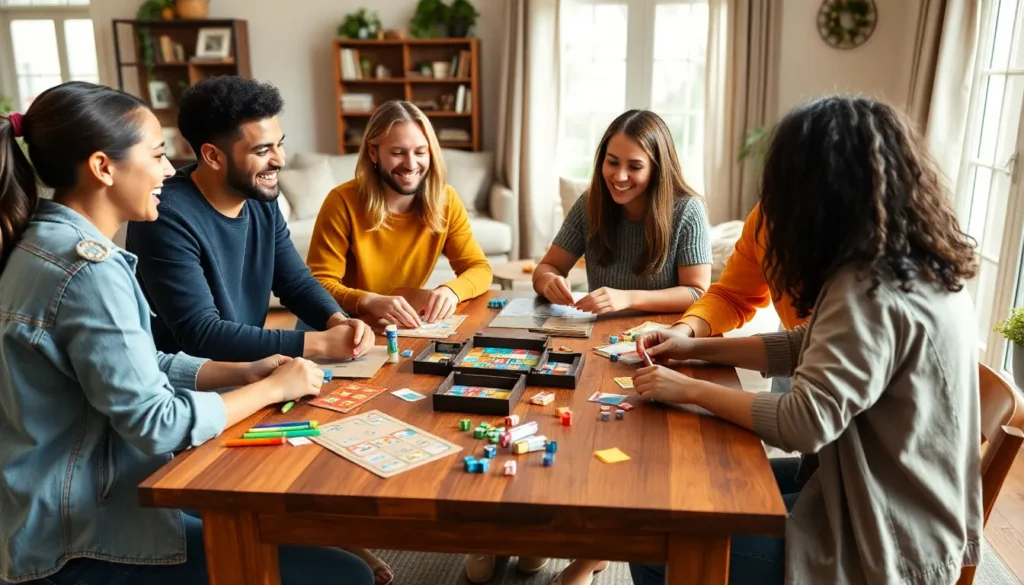
In a world where screens dominate entertainment, DIY board games offer a refreshing escape. Imagine gathering friends and family around a table, laughter filling the air as they dive into a game born from their own creativity. It’s not just about the game; it’s about the memories made and the inside jokes created along the way.
Overview of DIY Board Games
DIY board games offer a unique blend of creativity and engagement. Crafting a board game encourages players to use their imagination while fostering a hands-on approach to entertainment. Game creators utilize various materials, such as cardboard, paper, and markers, to bring their ideas to life. Many individuals appreciate the customization that DIY board games provide. Altering rules, themes, and components allows players to tailor the experience to their preferences. Families can create games based on shared interests, ensuring everyone enjoys the process and outcome. Building a DIY board game often becomes a collaborative project. Friends and family members contribute ideas, leading to solutions that spark laughter and creativity. This interaction strengthens bonds and cultivates shared memories that will last long after the game is complete. Exploration of themes adds another layer to the appeal of DIY board games. Popular themes include fantasy realms, historical events, and everyday scenarios. Each theme allows players to immerse themselves in storytelling, elevating the gameplay experience. Game mechanics also play a key role in the enjoyment of DIY board games. Players may incorporate strategies reminiscent of beloved classics or invent entirely new systems. This flexibility allows for endless experimentation and adaptation, catering to diverse tastes. Cost-effectiveness remains an attractive aspect of DIY board games. Players can create engaging games without spending a fortune on pre-packaged options. Simple materials and tools often suffice to produce something uniquely enjoyable. Overall, DIY board games present an inventive way to engage with friends and family. They inspire creativity, strengthen relationships, and provide hours of engaging fun. Players embrace the process of making and sharing, resulting in unforgettable moments around the tabletop.Benefits of DIY Board Games
Creativity and Customization
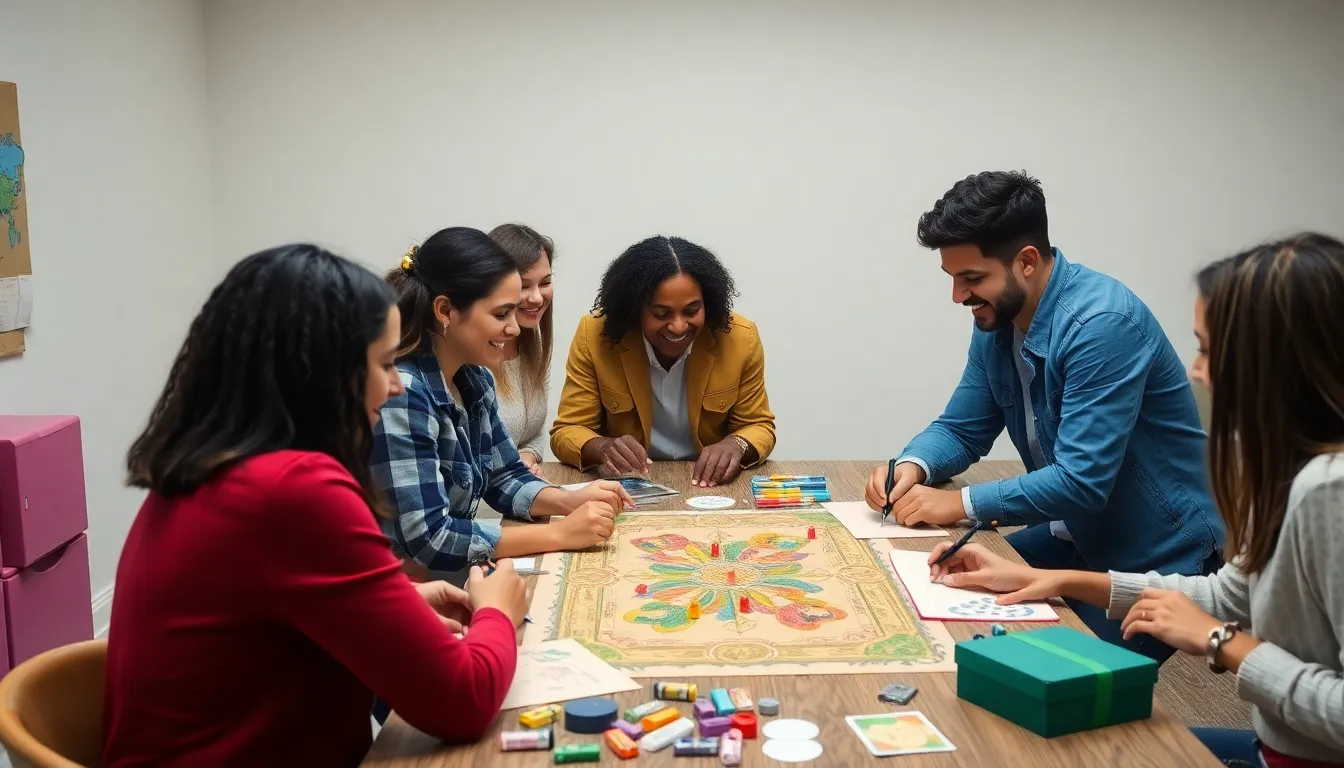
Creativity shines in DIY board games through personalized elements. Design unique themes, rules, and components based on individual preferences. Constructing these games allows players to express themselves artistically, whether through illustrations, storytelling, or mechanics. Customization adds layers to gameplay, ensuring that no two experiences are alike. Inventing new challenges or scenarios not only sparks imagination but also elevates engagement. Participants enjoy brainstorming ideas and collaboratively refining them, resulting in a project that reflects their collective creativity.Cost-Effectiveness
Cost-effectiveness makes DIY board games appealing for budget-conscious players. Creating games often requires minimal investment, utilizing materials readily available at home. Buying pre-made games can become costly, whereas DIY projects provide enriching experiences without breaking the bank. A quick trip to a local craft store yields inexpensive supplies that can transform ideas into reality. By repurposing items like cardboard, markers, and game pieces, players maximize their resources while enjoying an engaging activity. This financial freedom allows everyone to experiment with multiple game concepts without the constant worry of expenses.Popular DIY Board Game Ideas
Exploring the world of DIY board games offers numerous creative possibilities. Players can easily combine passion and creativity to design engaging experiences.Classic Game Adaptations
Transforming classic games into DIY versions provides an exciting challenge. Monopoly, for example, can gain a fresh twist with custom properties and themed currency. Scrabble lends itself well to personalized word lists, reflecting players’ interests and inside jokes. Players can also experiment with unique rules for chess, creating variations that change gameplay dynamics. Adapting Jenga allows for fun challenges and dares written on the blocks, adding an entertaining element. Many players enjoy using everyday materials, ensuring that creating these adaptations remains budget-friendly and accessible.Original Game Creations
Designing original board games encourages full creativity. Players can invent themes based on favorite stories or personal experiences, ensuring uniqueness in gameplay. Developing game mechanics requires careful consideration, often involving dice rolling and card drawing to add excitement. Utilizing simple materials such as paper and tokens makes this process more approachable. Collaborating with friends during the creation enhances enjoyment, as input leads to richer ideas. Craft elements like drawings or constructed boards offer an artistic touch. Original creations foster a stronger connection among players, transforming playtime into memorable experiences.Materials and Tools Needed
Creating DIY board games requires a variety of materials and tools. These items facilitate the crafting process and enhance customization options.Essential Supplies
Cardboard serves as a fundamental building block, providing a sturdy base for game boards. Markers and colored pencils allow for creative expression, enabling vibrant illustrations and designs. Dice, paper clips, and small tokens serve as vital game components, adding interactivity and excitement. Additionally, glue and scissors assist in assembling various elements when fitting pieces together. Players can also use old magazines or printouts to source images that enhance themes and gameplay.Recommended Tools
A cutting mat offers a protective surface for crafting tasks while preventing damage to tables. Rulers ensure precise measurements, which are critical for uniform board sizes. Pens provide clear writing options for rules and components. Straightedge tools help maintain straight lines during board design. Finally, a craft knife enables intricate cuts, allowing for detailed customization beyond standard scissors. These tools streamline the crafting experience and encourage creativity in game design.Tips for Designing Your Own Game
Creating a DIY board game is an exciting process that requires careful thought on mechanics and rules. This section provides essential tips for designing a unique and engaging game experience.Game Mechanics and Rules
Establishing clear game mechanics sets the foundation for the gameplay experience. Balance elements like player interaction, win conditions, and resource management to enrich engagement. Consider incorporating various pathways to victory, which can enhance replayability.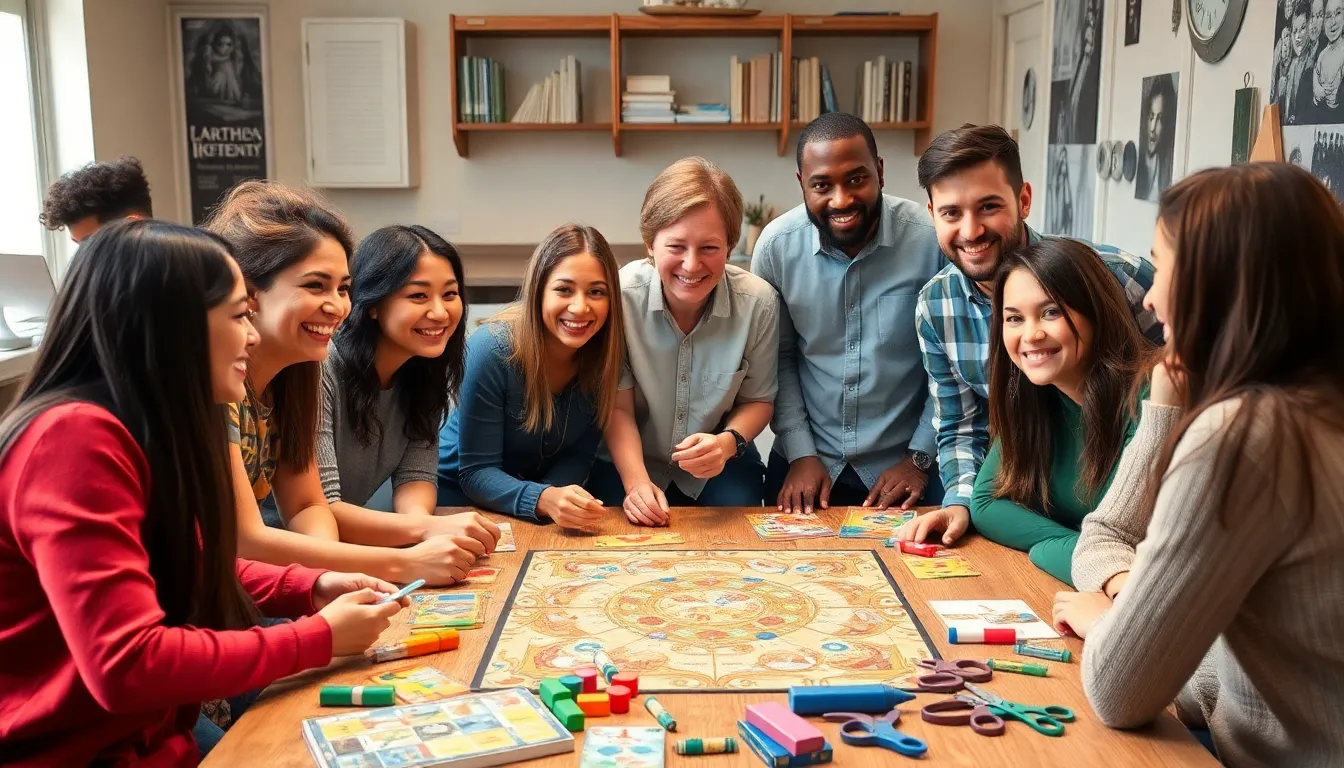 Testing different movement styles, such as worker placement or roll-and-move, may yield interesting results. Define the rules clearly to avoid confusion during play. Clarity ensures players understand and enjoy the game fully. Additionally, create a rulebook that guides players step-by-step, facilitating ease of play and comprehension.